4K Wedding Videography vs. Traditional HD: Is the Upgrade Worth It?
Planning a wedding involves a mountain of decisions. From the flavor of the cake to the fabric of the napkins, every choice feels significant. When you reach the stage of booking your media team, you might encounter a technical question that stumps you: “Do you want your film in 4K or standard HD?”
Ten years ago, High Definition (1080p) was the gold standard. It was crisp, clear, and a massive leap forward from the fuzzy tapes of the 90s. But technology moves fast. Today, 4K wedding videography is rapidly becoming the new baseline for couples who want their memories to stand the test of time.
Is it just a marketing buzzword, or does that extra resolution actually make a difference to your final film? Let’s break down the technical differences, the practical benefits, and help you decide if the upgrade is right for you.
The Resolution Revolution: What is 4K?
To understand the value, we first need to understand the numbers.
Traditional HD, often called 1080p, has a resolution of 1920 x 1080 pixels. That is roughly 2 million pixels on your screen. For a long time, this was perfectly adequate for televisions and computer monitors.
4K, also known as Ultra HD (UHD), usually refers to a resolution of 3840 x 2160 pixels. That totals over 8 million pixels.
In simple terms, 4K captures four times as much detail as standard HD.
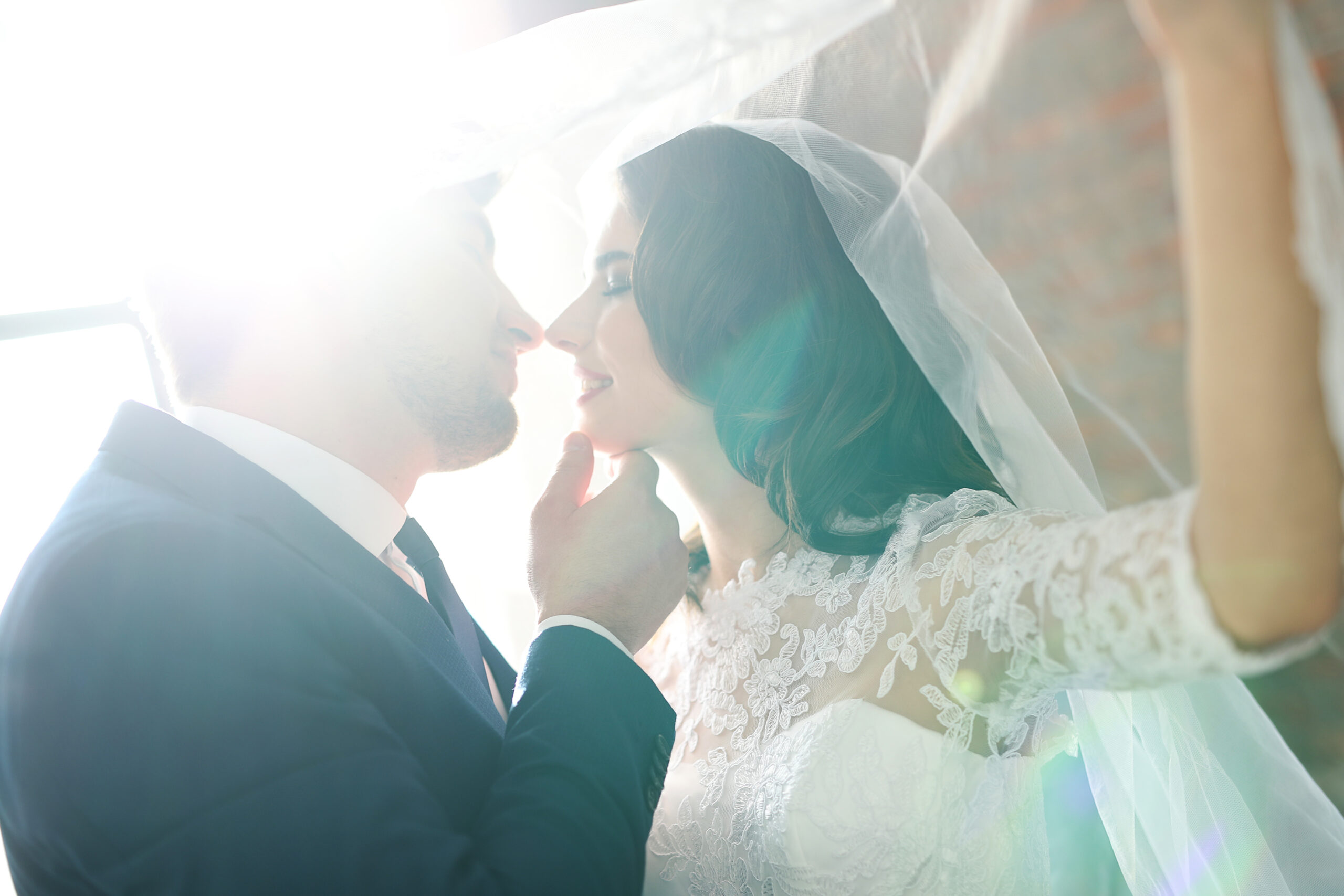
Imagine looking through a window. HD is a clean window. 4K is like opening the window entirely. The barrier between you and the image disappears. You can see the individual threads of lace on a wedding dress, the subtle texture of the flower petals in the bouquet, and the distinct sparkle in a tear during the vows.
Why Quality Matters More Than You Think
You might be thinking, “I don’t have a massive cinema screen at home, so why do I need cinema-quality video?” This is a common misconception. The benefits of 4K extend far beyond just pixel count.
1. Superior Clarity on All Screens
Even if you are watching on a standard HD laptop or phone, a video shot in 4K often looks better than one shot in native HD. When professional editors take that massive 4K image and shrink it down to fit an HD screen (a process called downsampling), the resulting image appears sharper, with richer colors and less “noise” or grain.
2. The Power of “Reframing”
This is a huge benefit for your videographer during the editing process. Because the 4K image is so large, an editor can zoom in on a specific part of the shot without losing quality.
Let’s say the camera captured a wide shot of you at the altar. With 4K footage, the editor can crop in to show a close-up of your reaction during the ring exchange, and it will still look perfectly sharp. It essentially gives your videographer two camera angles for the price of one. This flexibility allows us to create those dynamic, emotional sequences that define the best UK wedding videography.
3. Screen Grabs as Photos
Have you ever paused a video and tried to save it as a photo, only to find it looks blurry? With 4K, every single frame of video is essentially an 8-megapixel photograph. This is high enough quality to print a decent-sized photo. If your photographer missed a split-second moment but the video camera caught it, you can pull a high-quality still image directly from the footage.
Future-Proofing Your Memories
Wedding films are not just for today; they are for your 10th, 20th, and 50th anniversaries. They are heirlooms for children and grandchildren.
Think about the old VHS tapes from the 1990s. At the time, they looked fine. Today, on modern 65-inch 4K televisions, they look blurry, distorted, and unwatchable. We are currently in a transition period where 4K TVs are becoming the standard in most living rooms. Within a few years, 8K will likely be the premium standard, and HD will start to look dated.
By choosing 4K wedding videography now, you are ensuring your wedding film looks crisp and modern for decades. You don’t want to watch your wedding video in 2036 and wish you could see the details that have been lost to low-resolution technology. Future-proofing is one of the strongest arguments for making the upgrade.
The Social Media Advantage
We live in a vertical world. Most of us consume content on our phones, scrolling through Instagram Reels and TikTok. This has given rise to the modern need for a social wedding videographer—someone who understands how to translate a cinematic day into bite-sized social content.
4K helps immensely here. When you need to crop a horizontal (landscape) video into a vertical (portrait) format for a phone screen, you are throwing away the sides of the image and zooming in on the center. If you do this with 1080p footage, the resulting vertical video can look soft and pixelated because you have lost so much resolution.
With 4K, you have pixels to spare. You can crop the center of the image for a vertical Reel, and it remains crystal clear. If sharing high-quality clips with friends and family online is important to you, 4K gives you the sharpest possible results.
Low Light and Color Depth
Weddings are rarely lit like film sets. We move from bright outdoor ceremonies to dimly lit churches, and finally to dark reception halls with disco lights.
Professional 4K cameras often record more color data than their HD counterparts. This “color depth” allows the videographer to push the colors further during the grading process—making the greens of the venue gardens lush and the skin tones natural, without the image falling apart.
Furthermore, the extra resolution helps manage “noise” (that distracting digital grain) in low-light situations like the first dance. A downscaled 4K image will almost always look cleaner and smoother in the dark than a standard HD shot.
Is the Upgrade Worth the Investment?
Budget is always a factor in wedding planning. 4K packages often come at a premium. Why?
Processing 4K footage requires significantly more powerful computers, much more storage space (hard drives fill up four times faster), and longer rendering times for the final export. It is more resource-intensive for the business.
However, when you weigh the cost against the longevity of the product, the value becomes clear. Your wedding happens once. You cannot go back and reshoot it in higher quality later.
If you are hiring a professional because you value the artistry and emotion of the day, 4K is the best canvas for that art. It captures the nuance of the day in a way that feels immersive. It stops being a video you watch and becomes a memory you relive.
Making the Right Choice for Your Wedding
Ultimately, the choice between HD and 4K comes down to your priorities.
Stick with Traditional HD if:
- You are on a very strict budget and need to cut costs everywhere possible.
- You only plan to watch the video on a smartphone and never on a TV.
- You view the video as a “nice to have” rather than a priority keepsake.
Upgrade to 4K Wedding Videography if:
- You want your film to look sharp on modern large-screen TVs.
- You want to future-proof your memories for the next 20+ years.
- You appreciate cinematic quality and visual detail.
- You want flexibility for social media clips without quality loss.
- You want the option to pull high-quality still photos from your video.
At the end of the day, the gear is only as good as the person using it. But when a talented storyteller uses the best format available, the results are magic.
Frequently Asked Questions
1. Do I need a 4K TV to watch a 4K wedding video?
Not necessarily. While a 4K TV will give you the full experience, 4K videos still look incredible on standard HD screens or phones. The higher bitrate and detail downscale beautifully, often looking sharper than native HD. However, to see every single pixel of detail, a 4K monitor or TV is recommended.
2. Can you deliver both 4K and HD versions?
Yes, most videographers who shoot in 4K can easily export a separate HD version for you. This is handy if you want a smaller file size to put on a USB stick for relatives who might have older computers, while keeping the master 4K file for yourself.
3. Why is 4K wedding videography more expensive?
It comes down to data and hardware. 4K files are massive—often four times the size of HD files. This means your videographer needs more expensive memory cards, significantly more hard drive storage for archiving, and powerful editing computers to handle the footage without crashing. The extra time required to render and upload these large files is also a factor.
4. Will 4K reveal imperfections, like makeup issues?
Couples sometimes worry that 4K is “too sharp.” However, professional wedding videographers use cinematic lenses and lighting techniques that flatter the subject. The increased resolution actually makes skin tones look more natural and creamy, rather than harsh. It captures the sparkle in your eyes, not just the pores on your skin.
5. What if I want to hire a social wedding videographer separately?
Some couples hire a dedicated content creator for phone footage. However, if you hire a videographer who shoots in 4K, they can often provide high-quality vertical cut-downs for your Reels and TikToks as an add-on. This ensures your social media content matches the cinematic look of your main film, rather than looking like raw phone footage.
Ready to Capture Every Detail?
Your wedding day will fly by in a blur of excitement and emotion. When the cake is eaten and the flowers have faded, your film is one of the few things that remains. Don’t let your memories fade with low-resolution technology.
At Brad Rollason Films, we believe your love story deserves the highest fidelity possible. We specialize in cinematic 4K wedding videography that captures the laughter, the tears, and the unseen moments with breathtaking clarity. Whether you are looking for a timeless feature film or are interested in a social wedding videographer package to share your day instantly, we bring the best UK wedding videography expertise to your celebration.
Let’s create something timeless together. Contact Brad Rollason Films today to check availability for your date.